Transforming your outdoor living space with vibrant, exotic orchids is a surefire way to bring beauty and serenity into your garden or patio. Whether you’re working with a spacious backyard or a compact balcony, orchids can be a stunning focal point. With the proper design techniques and a thoughtful selection of plants and containers, you can create an inviting environment where nature and comfort meet. Here are some essential orchid design tips that will help your outdoor planters flourish, and your patio come alive.
Choosing the Right Orchids for Your Climate
Selecting orchids that are well-suited to your local climate is the first step toward a thriving outdoor display. Some species prefer tropical, humid conditions, while others are better adapted to dry, cooler environments. For example, Dendrobiums and Cymbidiums can handle cooler temperatures, making them ideal for many temperate zones. On the other hand, Phalaenopsis and Vanda orchids thrive in warmer, more humid climates.
Before planting, take the time to understand your USDA plant hardiness zone and choose orchid varieties accordingly. This ensures your plants will not only survive but will also bloom season after season. If you’re unsure about a specific species’ weather tolerance, consult local gardening experts or extension services for guidance.
Selecting Planters That Complement Your Space
The container you choose for your orchids is just as important as the plant itself. Planters should not only accommodate the orchid’s root system but should also match the style and layout of your outdoor space. Consider materials such as ceramic, clay, or weather-resistant wood for a natural, earthy appeal. These options also provide good drainage, which is essential for orchid health.
If your patio has a contemporary look, you might opt for sleek, minimalist planters in neutral tones. For rustic or eclectic spaces, colorful pots or repurposed containers can add personality and charm. Make sure every planter has drainage holes to prevent root rot, and consider using a mesh liner or small stones at the bottom to enhance airflow and moisture control.
Creating Visual Harmony with Color and Texture
Orchids come in a stunning range of colors and patterns, making them ideal for crafting visually rich displays. To create a harmonious design, consider how your orchids’ hues and textures will interact with the surrounding elements. Soft pastel blooms pair beautifully with light-colored stone or wood, while bold, vibrant orchids make striking contrasts against dark or neutral backdrops.
Texture also plays a vital role. Mixing orchids with trailing vines, ferns, or ornamental grasses can add depth and interest to your containers. Just be sure that companion plants have similar watering and sunlight needs to avoid stressing your orchids. A well-curated mix of plants enhances the visual appeal and contributes to a balanced and thriving planter.
Positioning for Optimal Light and Airflow
Lighting is a critical factor in orchid health, and proper positioning can make a big difference in how well your plants grow and bloom. Most orchids prefer bright, indirect sunlight. Direct afternoon sun can be too harsh, especially during the hotter months, so placing your planters under a shaded pergola or beneath the eaves of your patio can provide ideal light conditions.
In addition to light, good airflow helps prevent pests and fungal infections. Arrange your planters to encourage natural air circulation without placing them in direct wind paths. Elevating planters on stands or hanging them from hooks can also improve airflow while creating layers of visual interest throughout your space.
Incorporating Vertical Space with Hanging Orchids
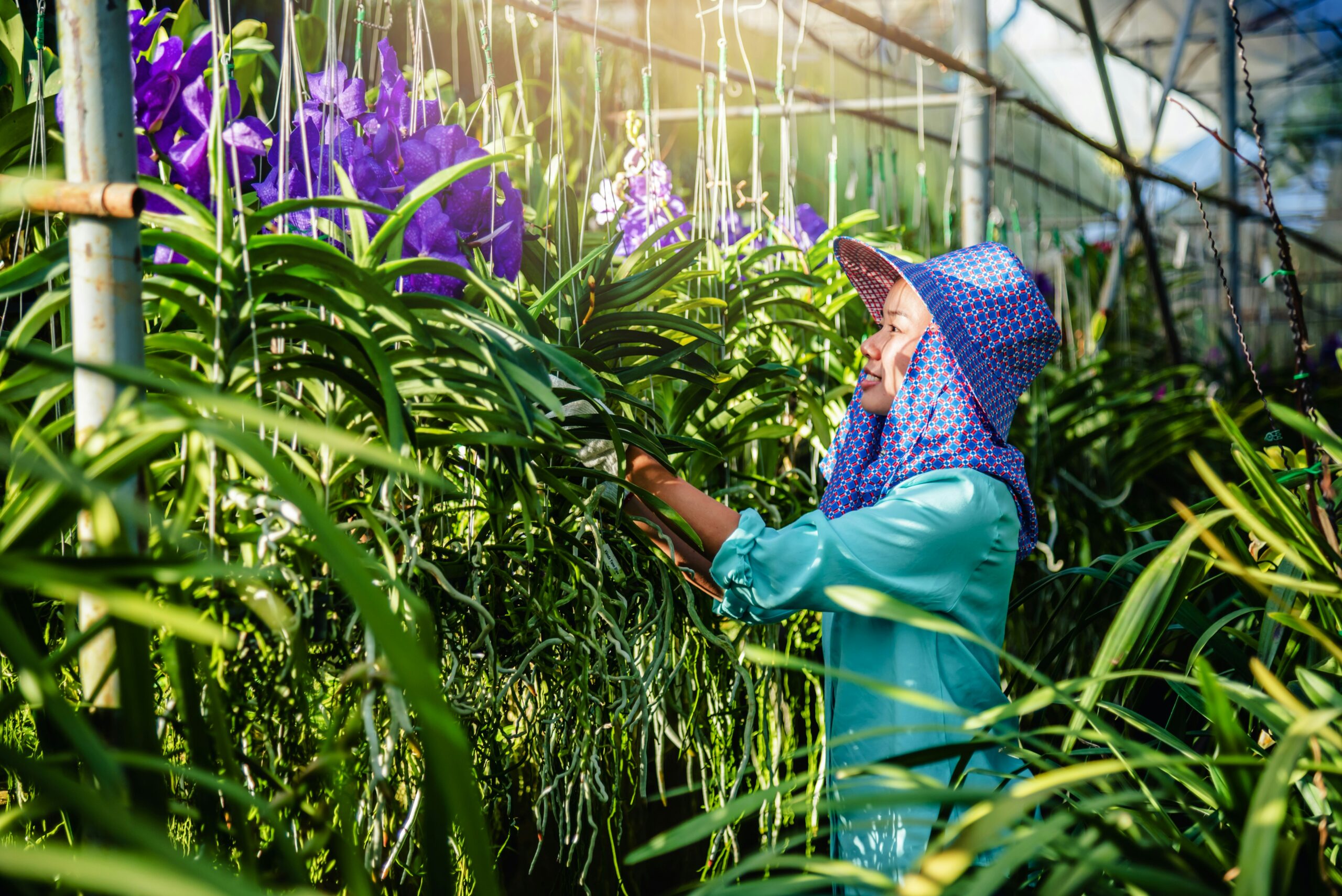
Hanging orchids can add elegance and dimension to your patio or garden area. By incorporating vertical space, you create a dynamic environment that draws the eye upward and adds a feeling of abundance. Vanda orchids, with their long, cascading roots, are particularly well-suited for hanging baskets and slatted containers.
Use sturdy hooks or ceiling beams to hang planters securely. For a creative touch, consider using decorative macramé hangers or repurposed lantern frames. This method not only saves floor space but also highlights the unique beauty of each orchid. Watering hanging orchids requires a bit more care, so use misting or soak methods to keep roots hydrated without oversaturating the media.
Seasonal Maintenance and Repotting Tips
Orchids in outdoor planters need seasonal care to maintain their health and appearance. In spring and summer, fertilize every 2 to 3 weeks with a diluted orchid-specific fertilizer. As fall approaches, reduce feeding to help the plant prepare for its rest period. Be attentive to changes in temperature and humidity and adjust care routines as needed.
Repotting is usually necessary every one to two years. When roots outgrow the container or the potting mix begins to break down, it’s time to refresh. Choose a slightly larger pot and a fresh blend of bark, sphagnum moss, or coconut husk, depending on your orchid species. Carefully trim away dead roots and avoid compacting the new medium to ensure good drainage and root ventilation.
Protecting Orchids During Extreme Weather
Outdoor orchids are vulnerable to sudden weather changes, particularly in regions with seasonal extremes. Preparing your orchids for shifts in temperature is key to long-term success. During colder months, monitor the weather forecast closely and be ready to move planters indoors or into a sheltered area if frost is predicted.
Using portable carts or lightweight containers can make relocation easier. For temporary protection, cover orchids with breathable garden fabric or place them under a covered porch. In hot climates, be cautious of sunscald and provide ample shade during peak heat hours. A retractable awning or outdoor umbrella can offer flexible protection as needed.
Encouraging Blooms Year After Year
Getting your orchids to rebloom consistently is a rewarding part of outdoor gardening. Regular pruning after blooming, proper feeding, and correct light exposure all contribute to sustained flowering. After a flower spike has faded, trim it back to just above a node to encourage the growth of a new spike or keiki (baby orchid).
Patience is key when waiting for orchids to bloom again. Some species have more extended rest periods than others, and environmental stress can delay reblooming. Keep a gardening journal to track bloom cycles, watering schedules, and any changes you make. Over time, this record can help you refine your approach and better understand your plants’ specific needs.